
Washer Repair
Washer Shaking During the Spin Cycle? Load, Leveling, and Repair Checks
A heavy load, a loose foot, or shipping hardware can make a washer shake. Learn which observations help explain the movement and when to stop using the machine.
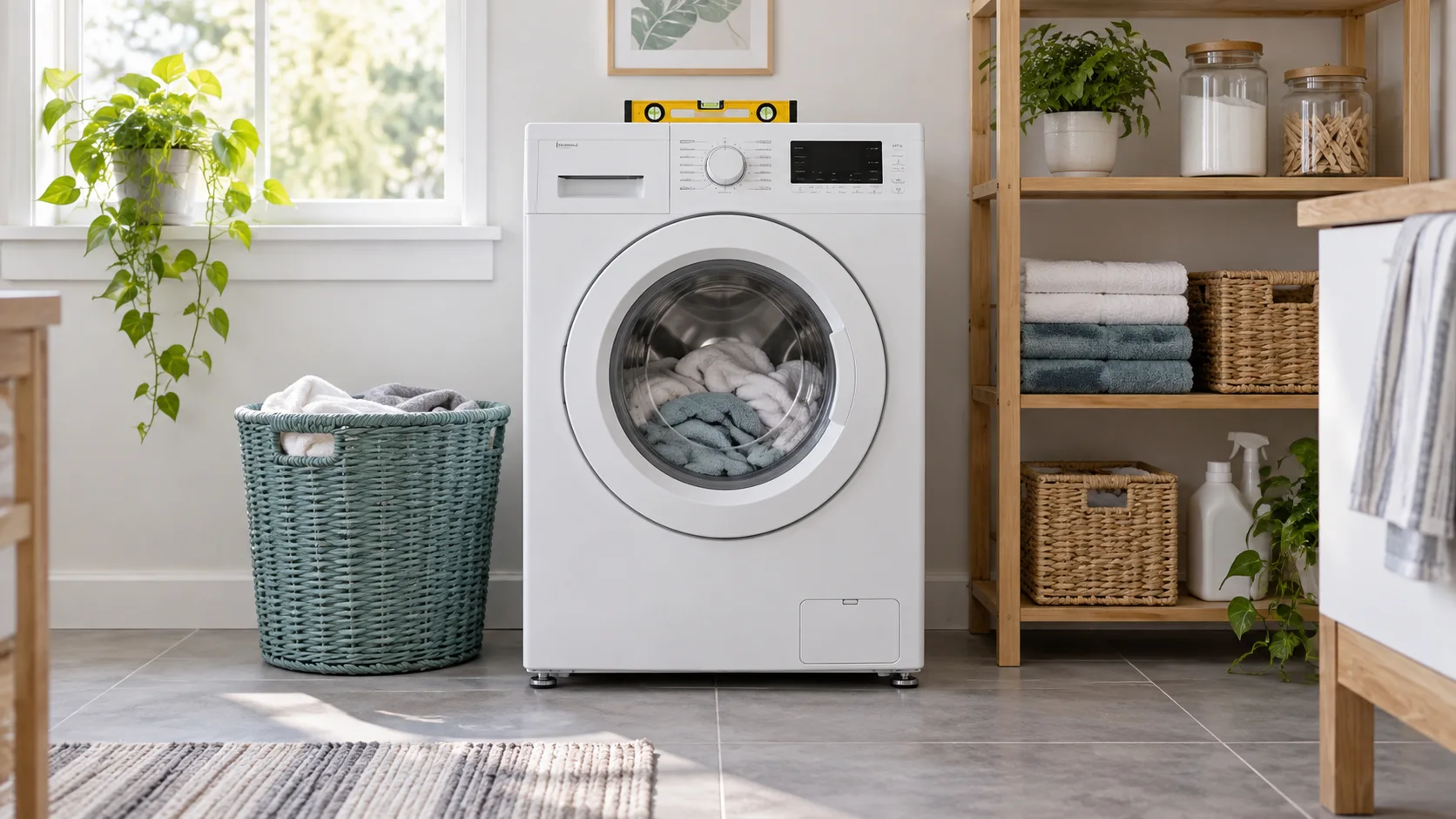
A washing machine that suddenly bangs during the final spin can make an ordinary laundry load sound alarming. Pause the cycle if the cabinet is moving across the floor or striking something nearby. Wait for the drum to stop and the door or lid to unlock before checking the load. Do not try to hold a moving washer in place.
Think about when this started. A new installation, a single heavy blanket, and a machine that has grown noisier over several months call for different checks. Keep that history in mind before ordering parts.
Does it happen with one particular load?
A bulky item can collect on one side of the basket. Overloading can also leave the washer struggling to balance the load before spinning. Once the appliance has stopped, untangle bundled items and redistribute them according to the loading instructions. Reduce an overloaded basket instead of packing everything back in.
Use the cycle recommended for the fabric. If the manual allows a bulky item to be washed, follow its instructions for balancing that load. Adding more laundry to an already full machine makes the problem harder to sort out. GE's washer FAQs explain how load distribution affects shaking.
Note whether the next suitable, balanced load runs normally. If hard banging starts again, stop the cycle. Repeated attempts to force a high-speed spin do not help identify the cause.
A new or recently moved washer needs an installation check
Front-load washers commonly use shipping bolts or braces to protect the tub during transport. The required shipping hardware must be removed before use. If the machine shook violently from its first cycle, contact the installer and have the setup checked before running it again.
The hardware and removal procedure vary by model. Do not remove random screws from the rear panel. Use the installation guide, including its instructions for saving transport hardware for a future move. GE's front-load vibration guidance covers shipping materials and installation conditions.
Check that the cabinet sits firmly
With the washer stopped and power disconnected, gently check whether the cabinet rocks at opposite corners. All supporting feet should sit firmly on the floor. A spirit level across the top, checked from side to side and front to back, helps show whether adjustment is needed.
Follow your model's instructions for its leveling feet and locking nuts. Stop if adjustment would require you to tilt or support a heavy appliance without help. A stacked washer and dryer needs particular care; arrange an installation check rather than trying to shift the stack yourself. See GE's leveling instructions for manufacturer examples.
Look for contact with a cabinet or neighboring dryer, too. Mention a flexible floor or pedestal when arranging service. Pads are not a substitute for a correctly supported machine.
What the pattern can tell you
| What you notice | Where to start |
|---|---|
| Shaking with one blanket or a tightly packed load | Loading instructions, item distribution, and the selected cycle |
| Severe vibration from the first use after installation | Shipping hardware, leveling, and support beneath the machine |
| Cabinet rocks while the machine is off | Foot contact and model-specific leveling adjustments |
| Recurring banging with ordinary balanced loads | Professional inspection of installation and internal tub support |
When the load and leveling do not explain it
Wear in the suspension or drum bearings can cause vibration. The parts involved depend on the washer's design, and shaking by itself is not enough to choose a replacement. A technician needs to inspect the machine and distinguish an installation issue from an internal fault. Whirlpool discusses these possibilities in its guide to a shaking washer.
Describe the noise separately from the movement. A rattle, scraping sound, and a heavy knock are useful distinctions. A short recording from a safe distance can help, but do not restart a violently shaking machine just to film it. Maytag's washer-noise guide also separates normal operating sounds from noises that need attention.
What to tell APEX when booking
For washer repair in Greater Cleveland, include the model number, whether the appliance was recently moved, and which loads trigger the problem. Photograph any error message before clearing it.
Mention water left in the drum or unusually wet laundry as a separate symptom. Those details may require a drainage or spin check as well; Whirlpool's washer troubleshooting guide covers those issues. Wet laundry can also contribute to longer dryer cycles.
If the washer keeps moving, leaks, or makes a new grinding noise, leave it off until it is inspected. You can request service online and confirm coverage through our service-area page.
COMMON QUESTIONS
Frequently asked questions
Why does my washer shake when I wash one blanket?
A single bulky item can collect on one side of the basket and create an uneven load. Pause the machine, wait for it to stop and unlock, then follow the manual's instructions for loading and the appropriate cycle.
Is it normal for a new washer to move across the floor?
A little vibration can occur during spin, but walking or violent shaking needs an installation check. Have the installer verify shipping hardware removal, leveling, and support before further use.
Do anti-vibration pads fix a shaking washer?
Pads do not replace correct installation or repair of an internal fault. Start with load distribution and firm foot contact, and arrange service if excessive movement continues.
LOCAL APPLIANCE HELP
Still dealing with this appliance problem?
APEX Appliance Repair serves Greater Cleveland with practical diagnostics and clear repair recommendations.
Continue reading
Related appliance advice
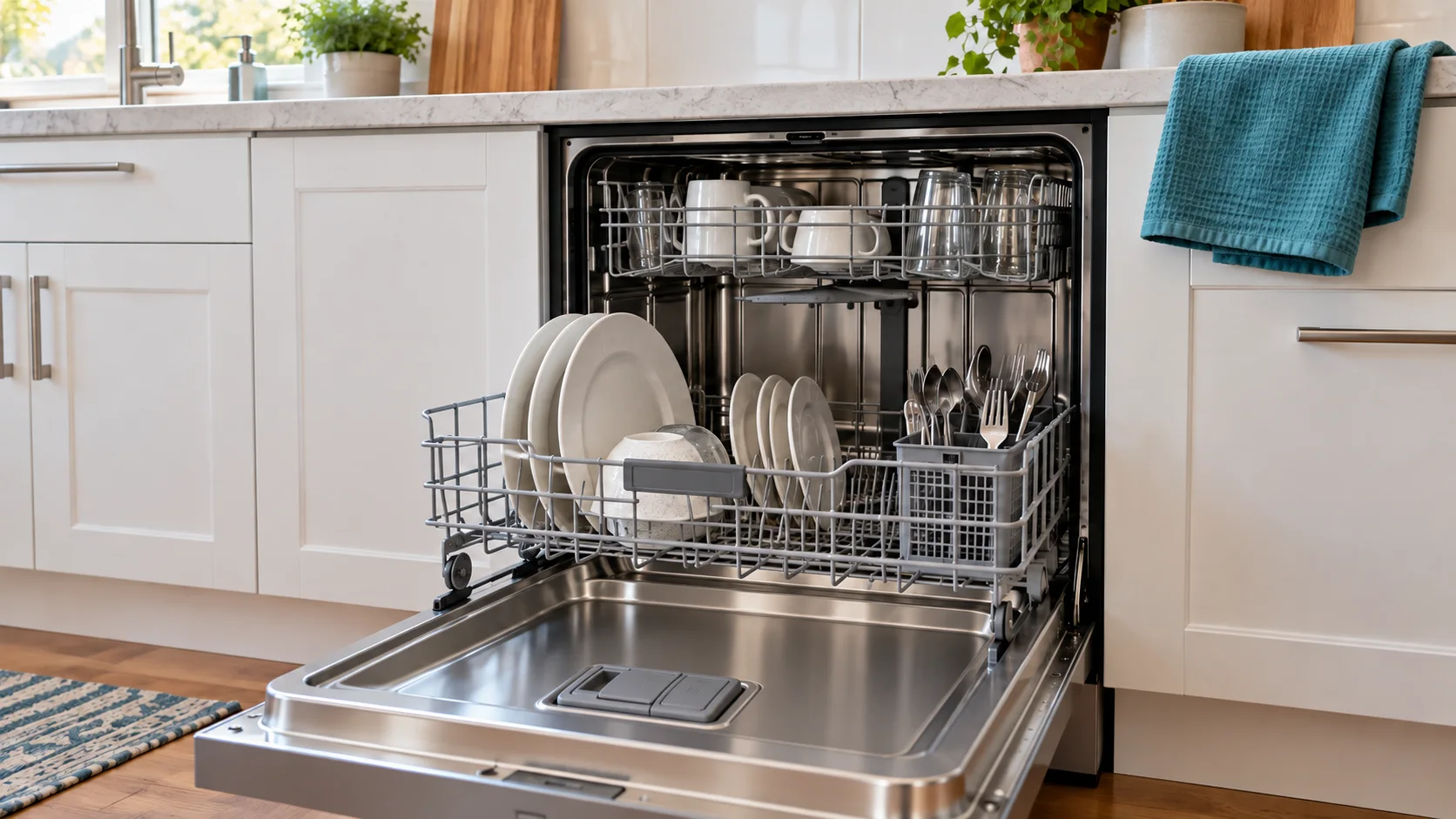
Dishwasher Not Draining? What to Check Before Booking a Repair
Water left after a cycle can come from an interrupted program, a blocked drain path, or a problem at the sink. Here is where to start without taking the dishwasher apart.
Read article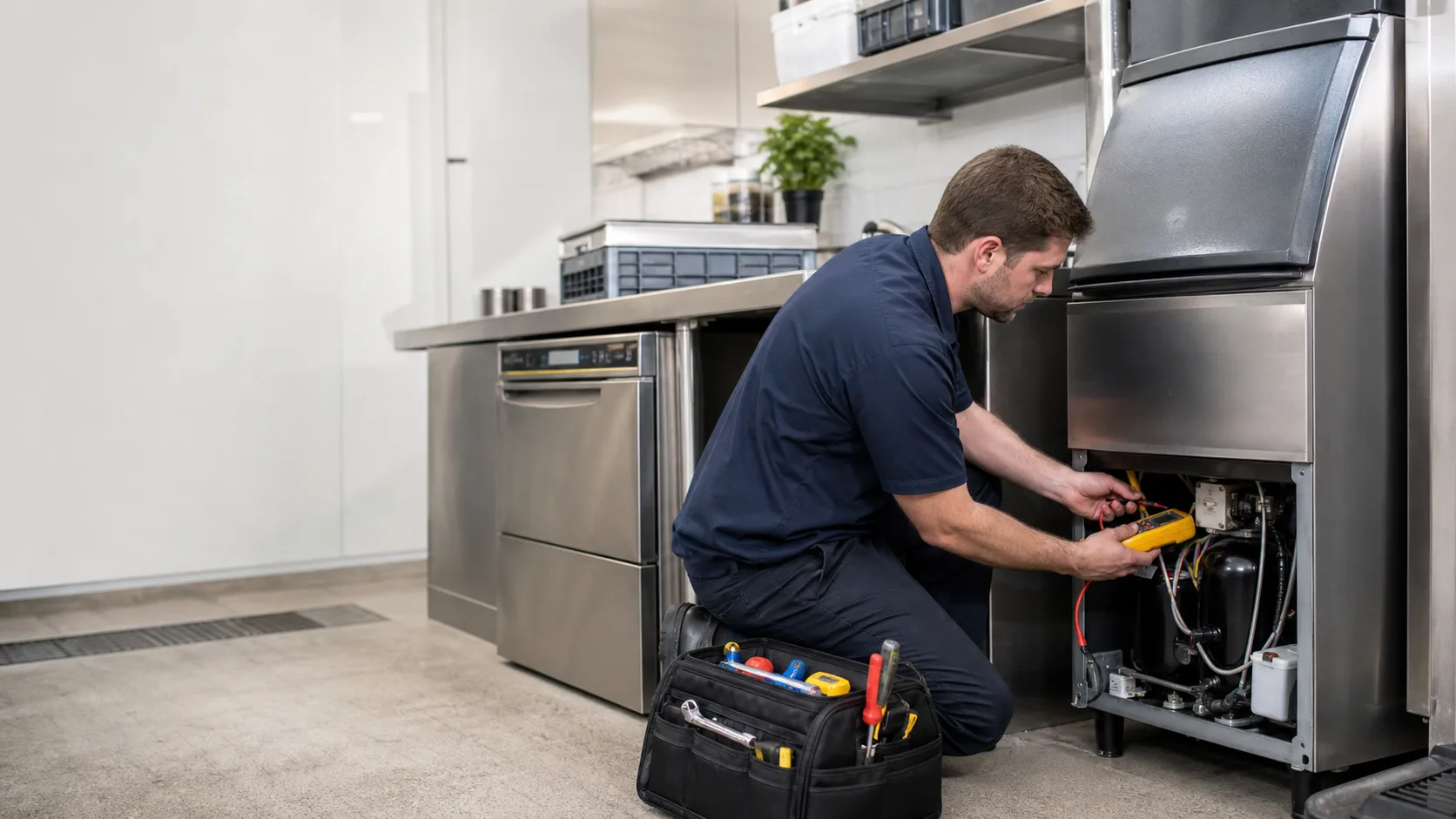
Commercial Ice Machine Not Making Ice? Production and Harvest Checks
Learn what can cause commercial ice machine not making ice, which checks are safe, what symptoms matter, and when professional diagnosis is the right next step.
Read article